
Understanding the controversial nature of deconsecrated god statues implies understanding how Chinese folk religious worshippers materialise and engage with sacred power. Chinese folk religion is a complex religious system among the Han ethnicities that blends Daoism, Confucianism, and local animistic beliefs. The gods of Chinese folk religion or shen (神) are spiritual manifestations of a governing energy or order. They are either deifications of humans who distinguished themselves in life through miracles and sacrifices for society’s well-being, or deifications of natural elements.
Gods follow a strict hierarchy that mirrors their functions: from high-ranking gods—the Jade Emperor, supreme over heaven and earth —to middle-ranking gods governing regions or cities, to lower-ranking gods guarding daily life and the underworld. Medium- and lower-ranking gods are often worshipped in small private temples or households. In these cases, the gods protect the household alongside the family’s ancestors. Chinese folk gods possess many regional distinctions and variants, as their roles are closely tied to the specific localities they protect. Thus, their hierarchy is fluid and can shift with historical, social, or geographic changes.
Gods are depicted in human, anthropomorphic, or animal forms to help believers in their worship: seeing something tangible can make communication between humans and spiritual forces more concrete and tangible in daily life. A god statue is crafted from a variety of materials, including porcelain, brass, and wood. In Taiwan, statues of gods are usually carved from wood. Not possessing an anthropomorphic shape—as in the case of ancestors or the highest-ranking gods such as the Jade Emperor—usually means that spiritual power is either too great and detached from human life or too restricted to a narrow group—the household. God statues are therefore fundamental for manifesting and regulating sacred power in Chinese folk religion. How can a piece of wood incarnate sacred power, and what does it mean to reconvert it to a collectable artwork? I introduce the audience to key aspects of the spiritual transformations of god statues, which then leads to a rediscussion of the theme of deconsecration.
*Click on the first image to open the photo gallery and read the captions.

Possessing an anthropomorphic shape has two consequences: on the one hand, the statue must be animated through a series of rituals. On the other hand, the statue must interact with its worshippers within a cultic relationship. First, the woodcarver receives instructions from believers to sculpt a god from wood. The decision to sculpt a god is usually established after dreams, auspicious signs, or miracles that signal the gods’ protection of worshippers.
With guidance from a geomancer, the woodcarver selects an auspicious date to begin carving and attaches a red paper talisman with the god’s name and date to the wood block.
On the chosen day, the woodcarver performs the kaifu (開斧) ceremony. Kaifu both informs the gods that their likeness will be carved and requests their blessing for a smooth process, while purifying the wood. The ceremony also demonstrates the woodcarver’s devotion to both gods and worshippers.


After offering incense and food, the woodcarver uses a ceremonial axe and cuts the wood in various locations, usually from three to five times. Different methods and interpretations are provided. Generally speaking, the ceremonial axe aims to imbue the wood with an embryonic condition, a formless body yet imbued with a spiritual essence.
To conclude the ceremony, the woodcarver lightens paper money—ritual sheets made of bamboo— that purify the wood and, at the same time, send his requests to the gods.
Once the woodcarver completes the sculpture, another auspicious date is chosen with the temple committee members or, in the case of private households, with family members. At this stage, worshippers may proceed with the rushen (入神) ceremony. Some believers prefer to forgo rushen, considering it unnecessary and regarding kaiguang, the ritual sequence that follows rushen, as more critical. For others, rushen further shapes the sculpture as a living body and strengthens the spiritual connection between gods and believers.
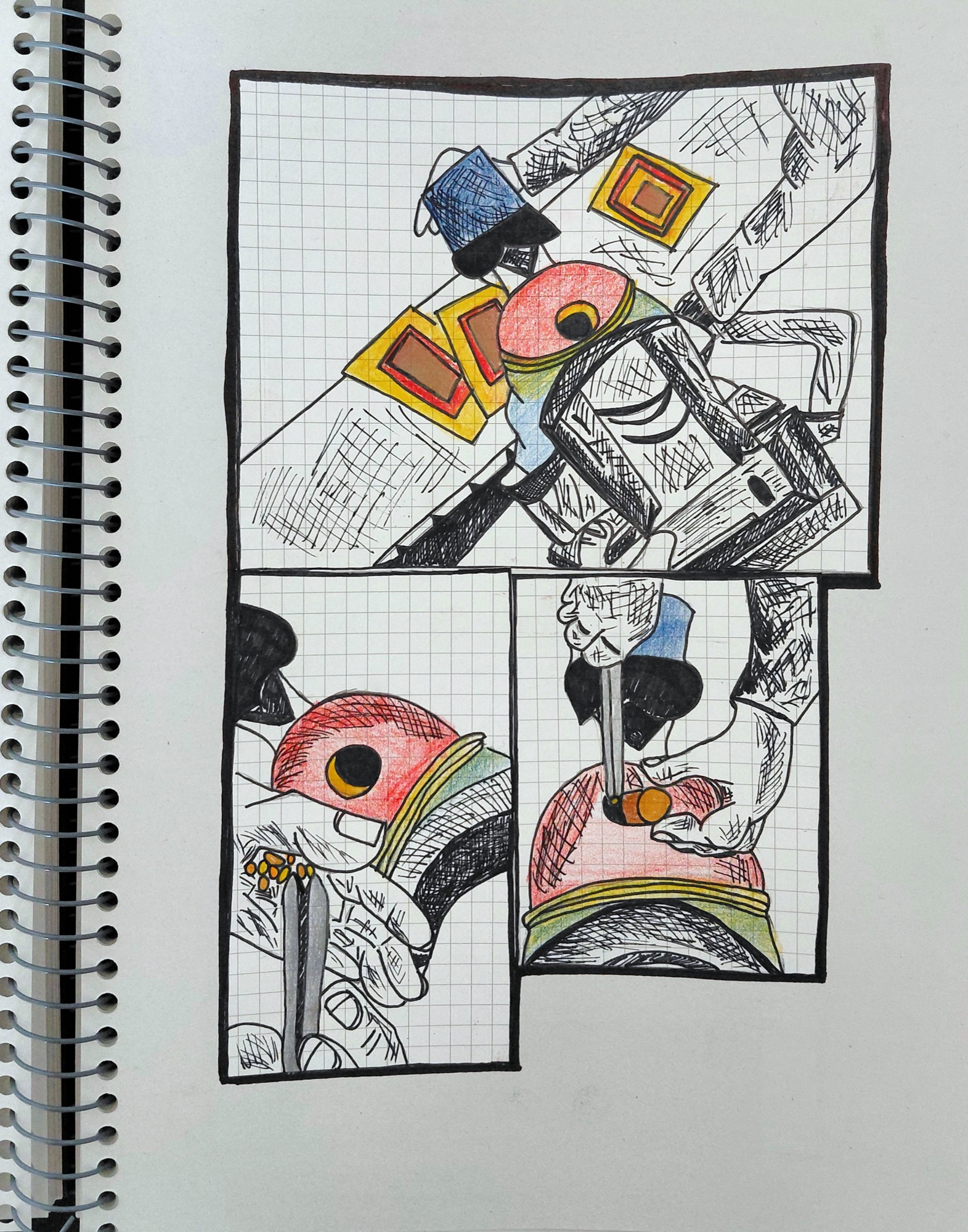
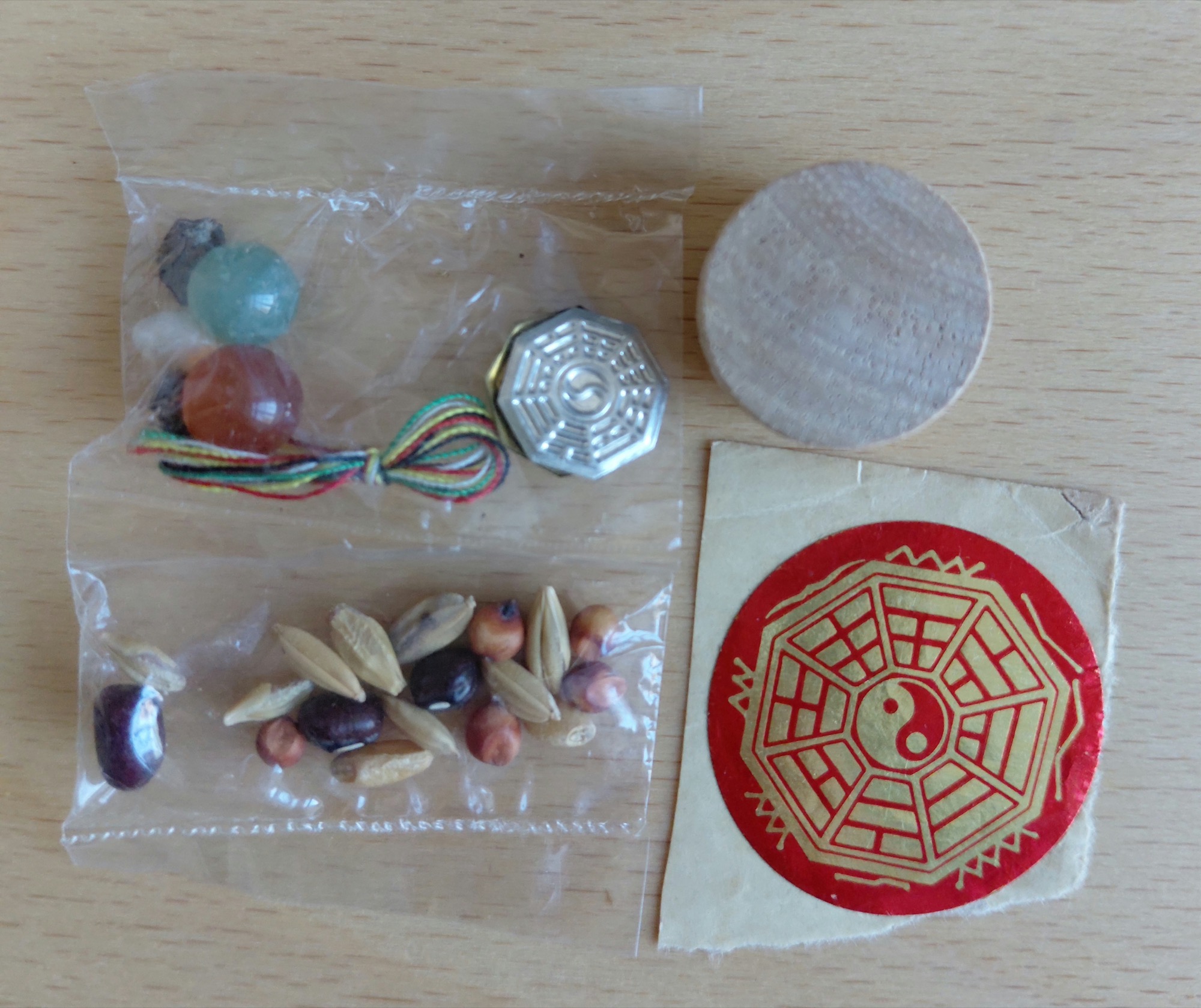
The ritual specialist—a Daoist priest or Buddhist cleric—introduces incense, seeds, gems, and metals into a cavity created on the back of the statue. Depending on the area of Taiwan, as well as the type of god sculpted—i.e., if it is a martial god—living beings, such as hornets, worms, etc., are inserted to add their vitality and fierceness.
The last ceremony of the sculpting and consecration process of god statues is the opening of the light or kaiguang (開光). On another auspicious date, the ritual specialist invokes the god’s spirit through a series of chants and hand-drawn talismans, while inviting other gods of the pantheon—in the case of Daoism or Chinese folk religion—to be present and certify the ritual. With the blood of a white rooster’s crest, mixed with cinnabar, the ritual specialist dots vital points in the statues, along with the eyes’ pupils, imbuing them with the spirits of gods’ spirits, whilst reflecting the surface of the statue with a ritual mirror, which has the function of bestowing the statue with the energy of the hearth and sky.
After purifying the god statue with paper money burnt during the ceremony, it is believed that the god’s spirit enters the statue.

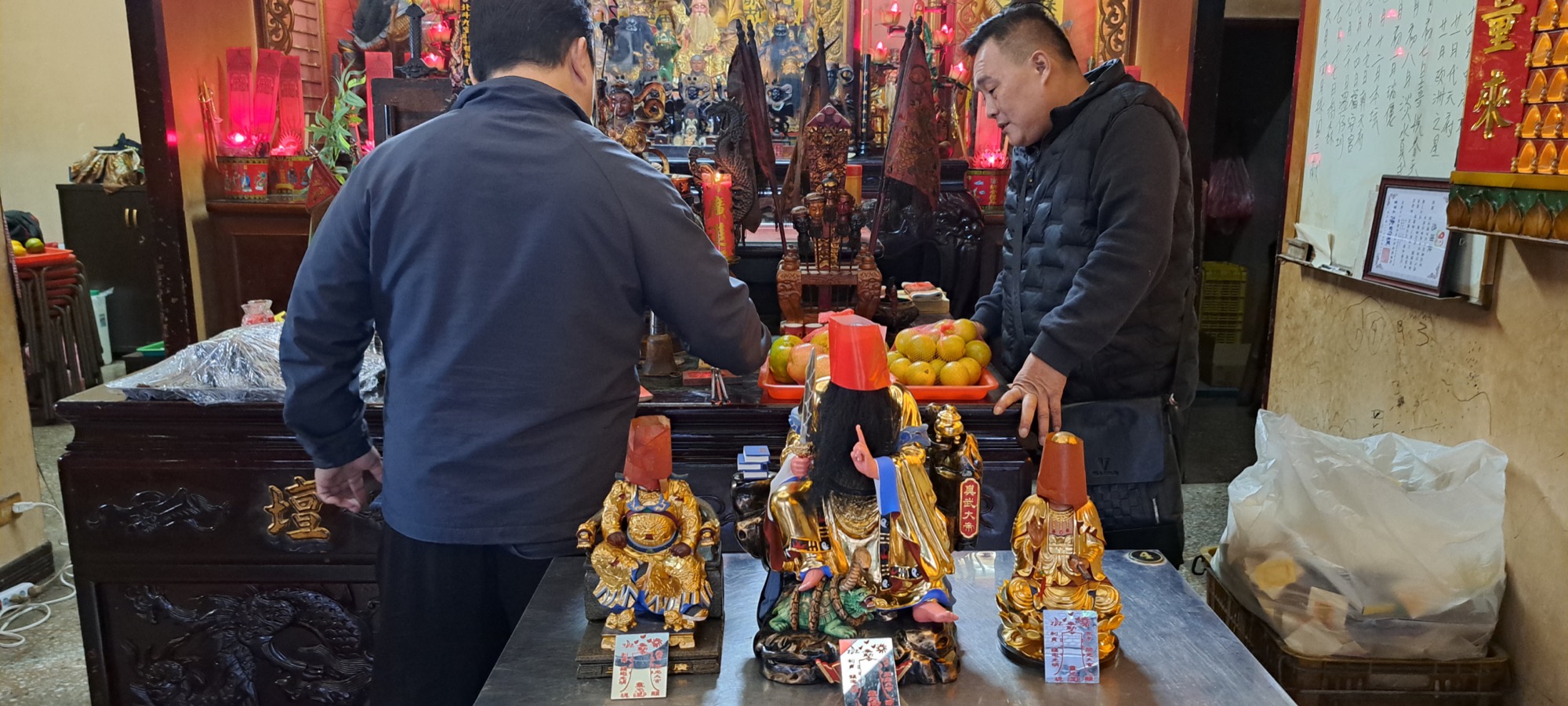
Until consecration is complete and between ceremonies, the statue’s eyes are covered with red paper, or hongzhi gai (紅紙蓋). This cover signifies its transitional status, preventing other spirits from inhabiting or polluting it. Statues also wear hongzhi gai when the spirit leaves during repairs or after deconsecration rituals, before destruction or artistic collection.
God statues are living icons whose spiritual force grows as worshippers offer incense, believed to channel the gods’ spirits and connect the divine and human worlds. The gods’ intervention arises from this spiritual bond: they descend into statues, reciprocating by receiving offerings and granting protection. Thus, the efficacious power or ling (靈) of gods targets specific worshippers and areas.
Under these terms, discarding god statues is considered a disrespectful act because it shows worshippers’ ingratitude to the gods’ protection, whilst reducing them to disposable artefacts. In addition, discarding the statue without following ritual procedures might either lead the god to punish worshippers or allow other spirits, such as ghosts, to imbue it, which can negatively affect those who come into contact with it.


The sacred power of statues arises not only from daily worship but also from the hierarchical relationships among the statues within an altar or temple. Each altar is structured around a principal deity, which shapes its protection and history, and is assisted by subsidiary deities. This hierarchy, which governs how the deities’ functions complement each other, usually aligns with the pantheon but may adapt to the temple’s main deity’s specific role and function. Deconsecration, then, should be understood as disrupting these relationships among gods.
The hierarchy among deities extends beyond the temple to other temples or altars that gain their sacred power from an original source. When families relocate or form new relationships, or individuals seek a deity’s protection at home, the divine connection is replicated through a new statue consecrated with ashes from the original temple’s incense. This practice creates networks of dependence, requiring the new locations to regularly return to the original temple to renew their sacred potency.
During my fieldwork, I participated in a pilgrimage to a Banqiao temple, regularly visited by the uncle of my close Taiwanese friend, Chang Yuhua.
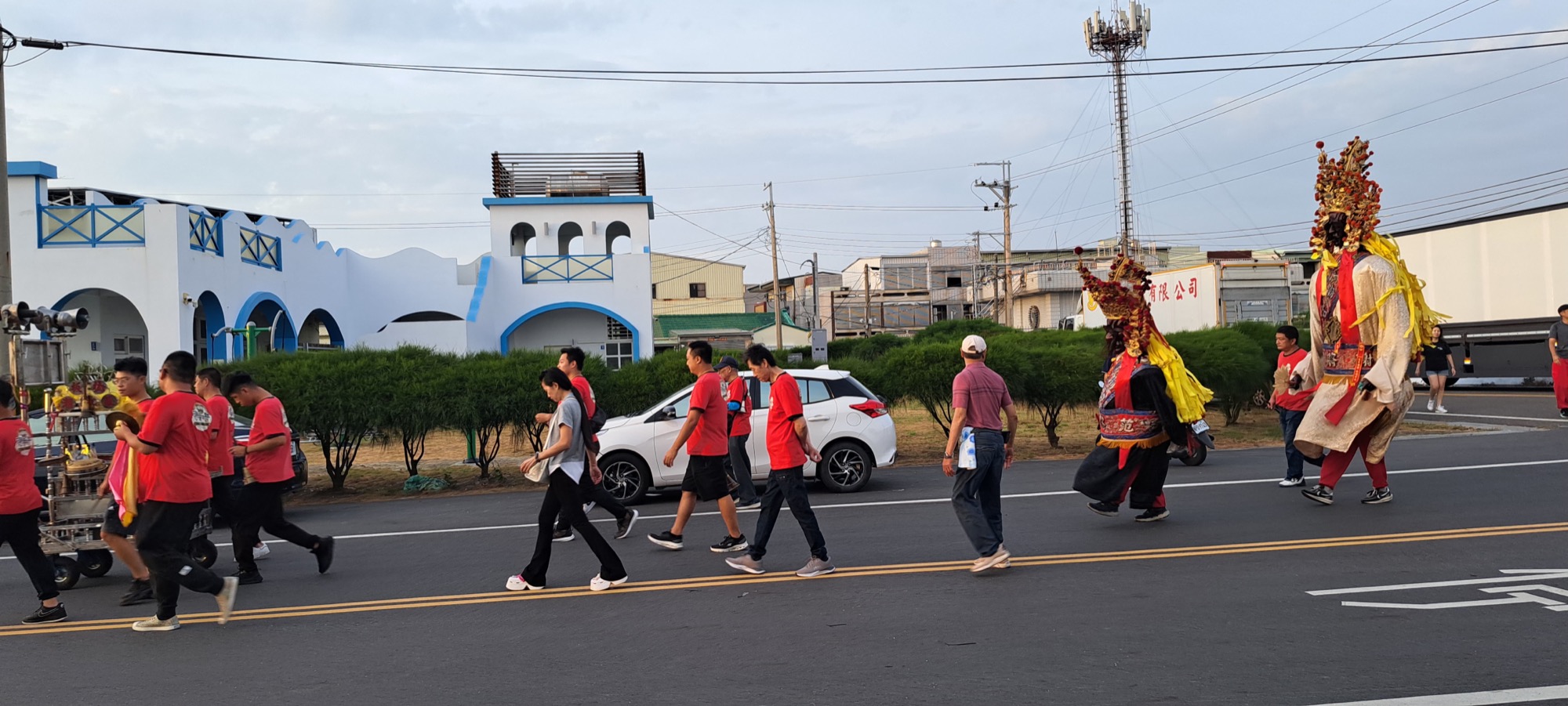

At Mr Chen’s request, these deities were consecrated in Southern Taiwan and share a unique bond with him as their tongji (童乩), or spiritual medium—he becomes their incarnation and voice during trances.
Consecrated by splitting incense from their ‘mother temples,’ these deities’ powers were renewed through visits to these temples along the pilgrimage route.
I was struck by how deity visits were organised through hospitality, both for temples that granted sacred power and for those with political ties. Visiting deities must ask host deities for permission to enter. Entrances and exits are marked by statues passing over as people pass over the temple’s incense burner. Several times, volunteers chanted in Hokkien—Taiwan’s dialect—”Return home (huiga, 回駕),” as they passed deities from hand to hand. Some temples number the pilgrimage deities and replicas of the main deities for individuals, with certificates tracking entrances and exits. Mr Chen and Yuhua’s uncle confirmed that numbering and certification prevent statues from being abandoned at the temple.
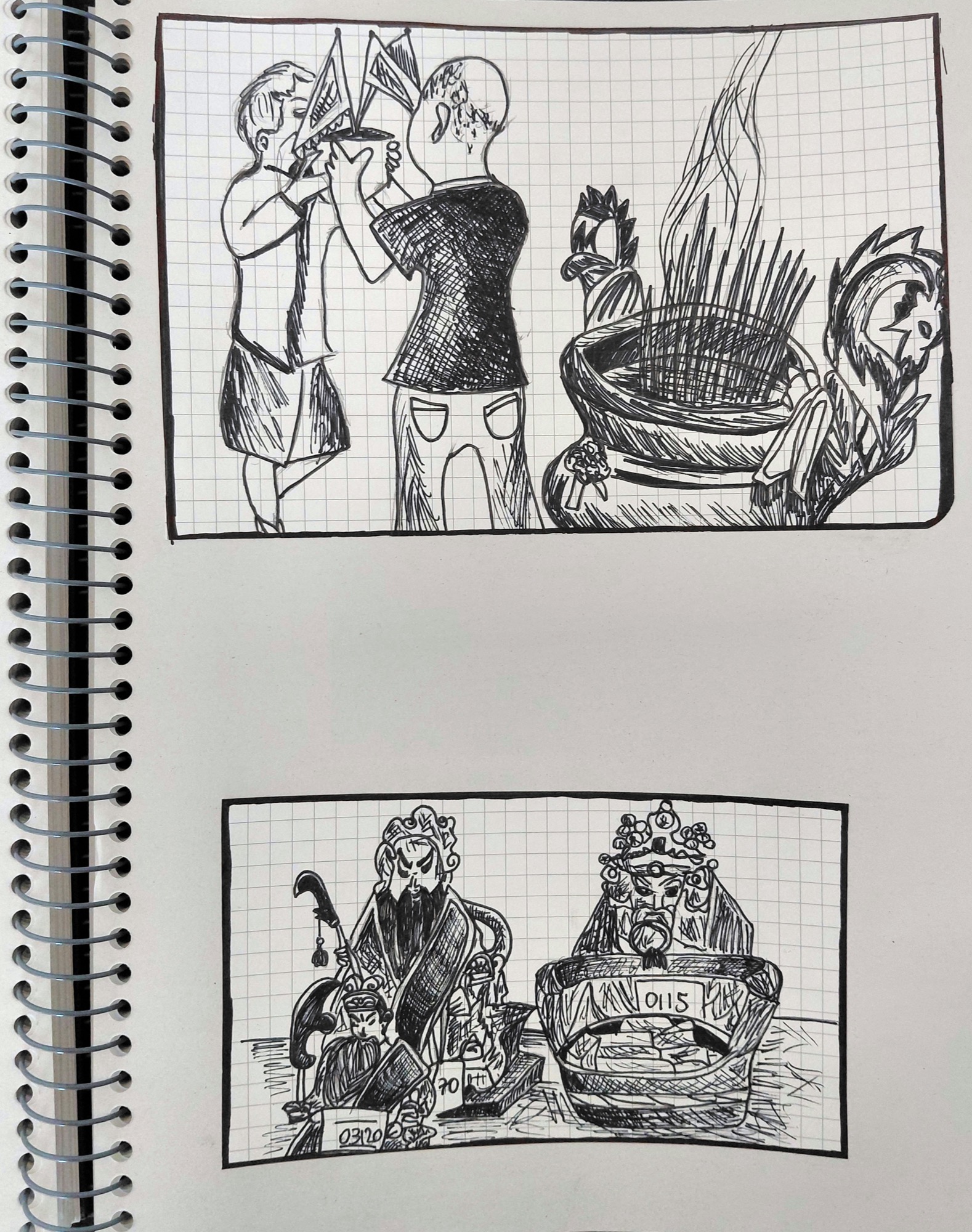
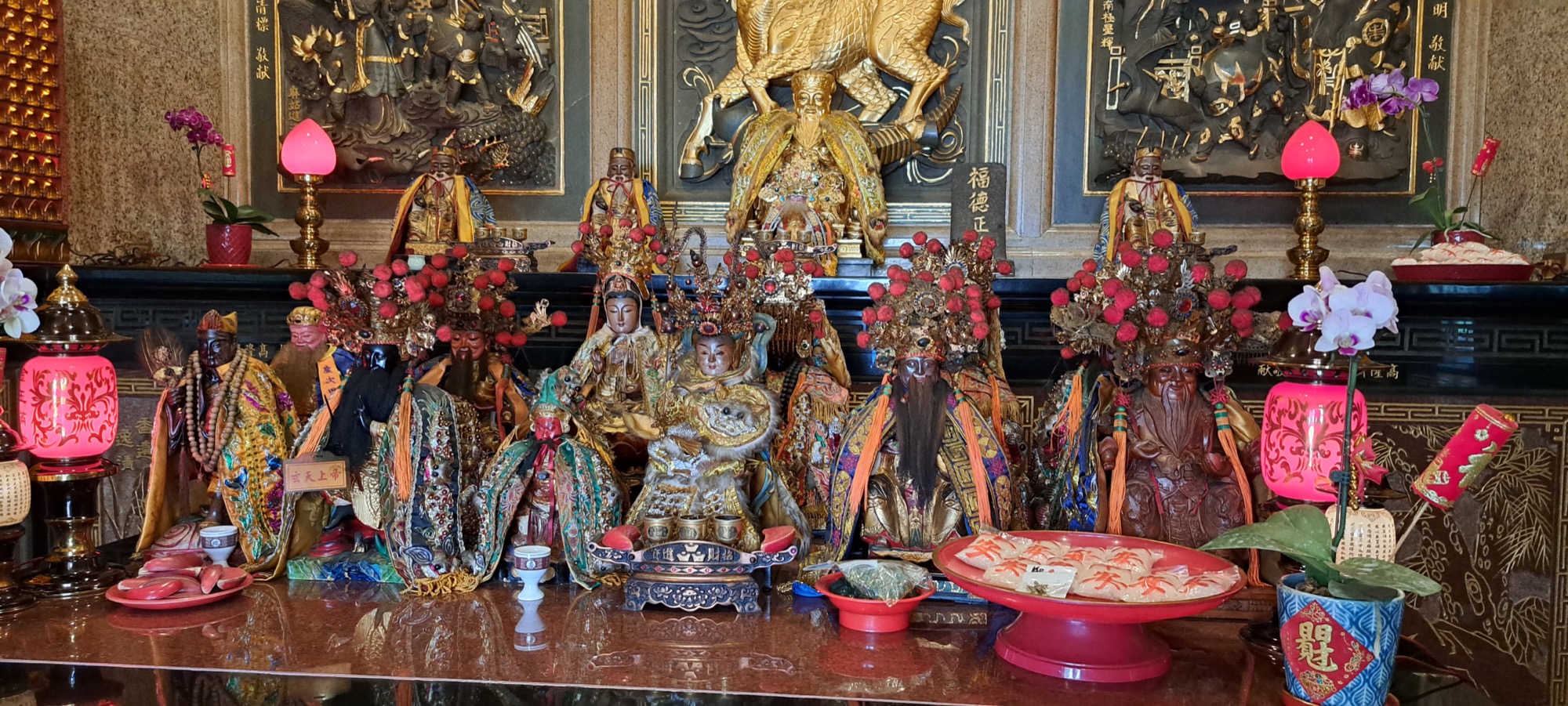
The example of the pilgrimage I attended illustrates the exhibition’s central issue: why is abandoning or desacralizing statues problematic? Discarding a god statue is seen as inherently disrespectful and dangerous. More importantly, due to the complex network and interdependence among deities, abandoning a deity in a particular temple threatens the balance among the deities who preside over that area. An abandoned deity draws its sacred power from the incense of the prevailing deity: if the statue was first consecrated in the temple, this is a return to its origin. If consecrated elsewhere, however, relocating it improperly exploits the hosting temple’s incense and can weaken its authority. Only the temple’s main god can decide whether to accept an outside god statue and grant it access to the temple’s incense. Why, then, despite these consequences, are statues sometimes abandoned, transferred to other worshippers, or ritually desacralized? How do temples and worshippers navigate the challenges and risks these practices create?